Minor repair
One specific problem fixed, like a sticky key, a stuck slide, a bent rod or a leaking pad.
What’s included
- Finding what’s causing it
- The repair itself, plus parts
- A play test before you pick it up
Flutes, clarinets and saxophones are most of my work, from a student’s first instrument to a professional’s. I service and repair trumpets, cornets and trombones as well.
One specific problem fixed, like a sticky key, a stuck slide, a bent rod or a leaking pad.
A clean and adjustment that keeps the instrument playing as it should. I recommend one a year.
A rebuild, including a full repad. Always quoted, and best booked outside the start-of-term rush.
These starting prices are for student instruments, plus parts. I’ll quote intermediate and professional instruments, and anything not listed, once I’ve seen them.
I don’t repair recorders, strings, pianos or guitars, and I don’t do lacquering or plating.
Every instrument gets a free inspection when you drop it off. I’ll tell you what it needs and give you a quote, usually as a range, plus a rough pick-up date. I don’t start until you say yes.
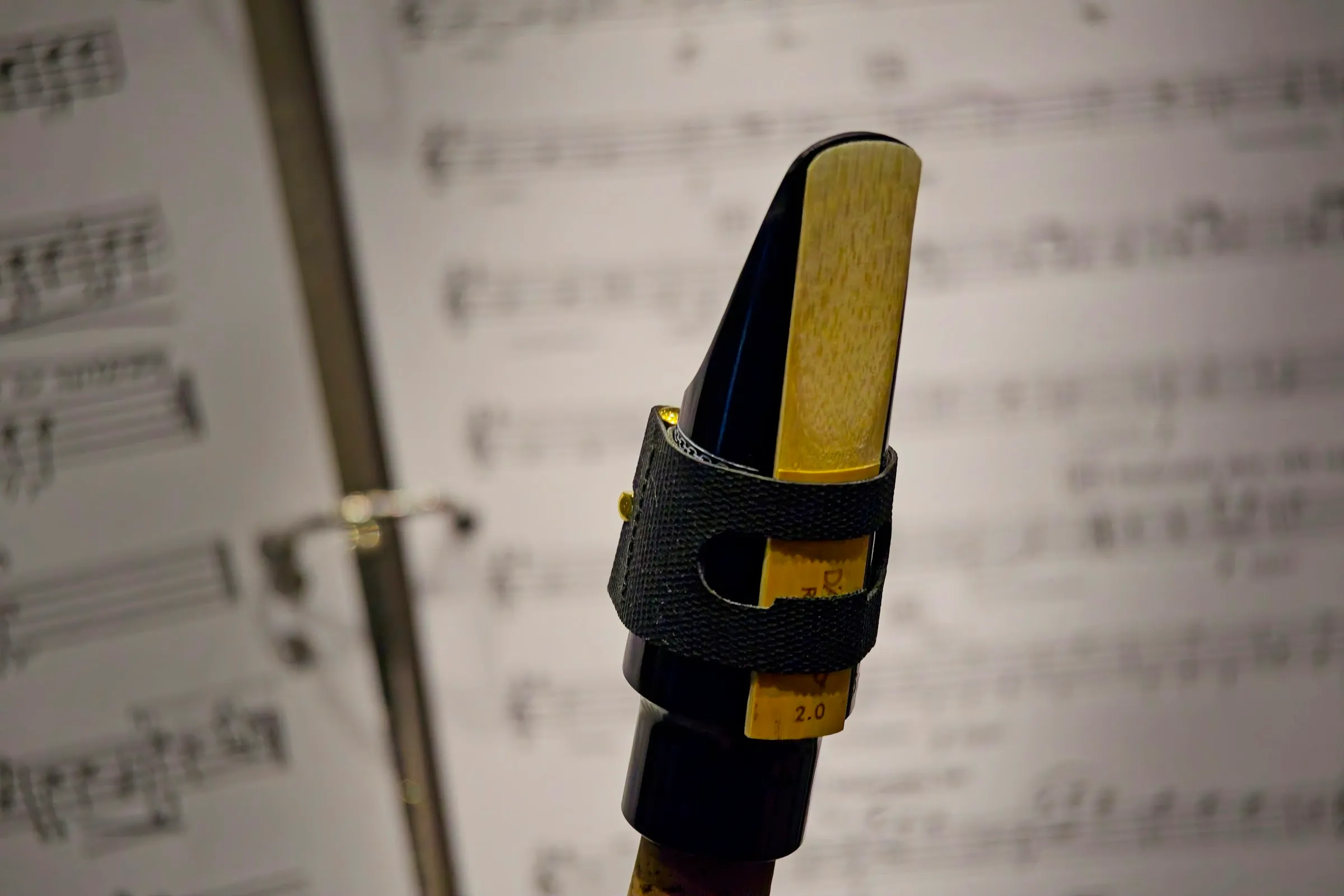
I keep reeds, swabs, valve oil, slide grease, ligatures and cases. Ask when you book or drop off.
You’ll get a pick-up date with your quote. January is my busiest month, so book early if you need it back for the start of term.
Yes. I work by appointment, so call first and we’ll set a time. It also means I can hear what’s wrong before you arrive.
You get a free quote before I start, usually as a range, because some problems only show up once an instrument’s stripped down. The final price is on your invoice. The starting prices on the Services and prices page are for student instruments, plus parts. Intermediate and professional instruments are quoted.
Once a year. It keeps the instrument playing properly and catches small problems before they stop it working. School holidays are the best time, so it’s ready for term.
Call me straight away. I’ll do my best to fit an urgent repair in around my booked work.
Most people drop off and pick up in Wantirna. If that’s hard, you can post it to me, and I collect from the schools I work with. Call and we’ll sort something out.
Cash when you pick up, or bank transfer before pick-up. If you pay by transfer, bring the receipt or confirmation with you. My bank details are on the invoice.